Responsibility
Responsible AI Image Creation and Disclosure
Use clear disclosure and thoughtful review when synthetic visuals could affect interpretation.
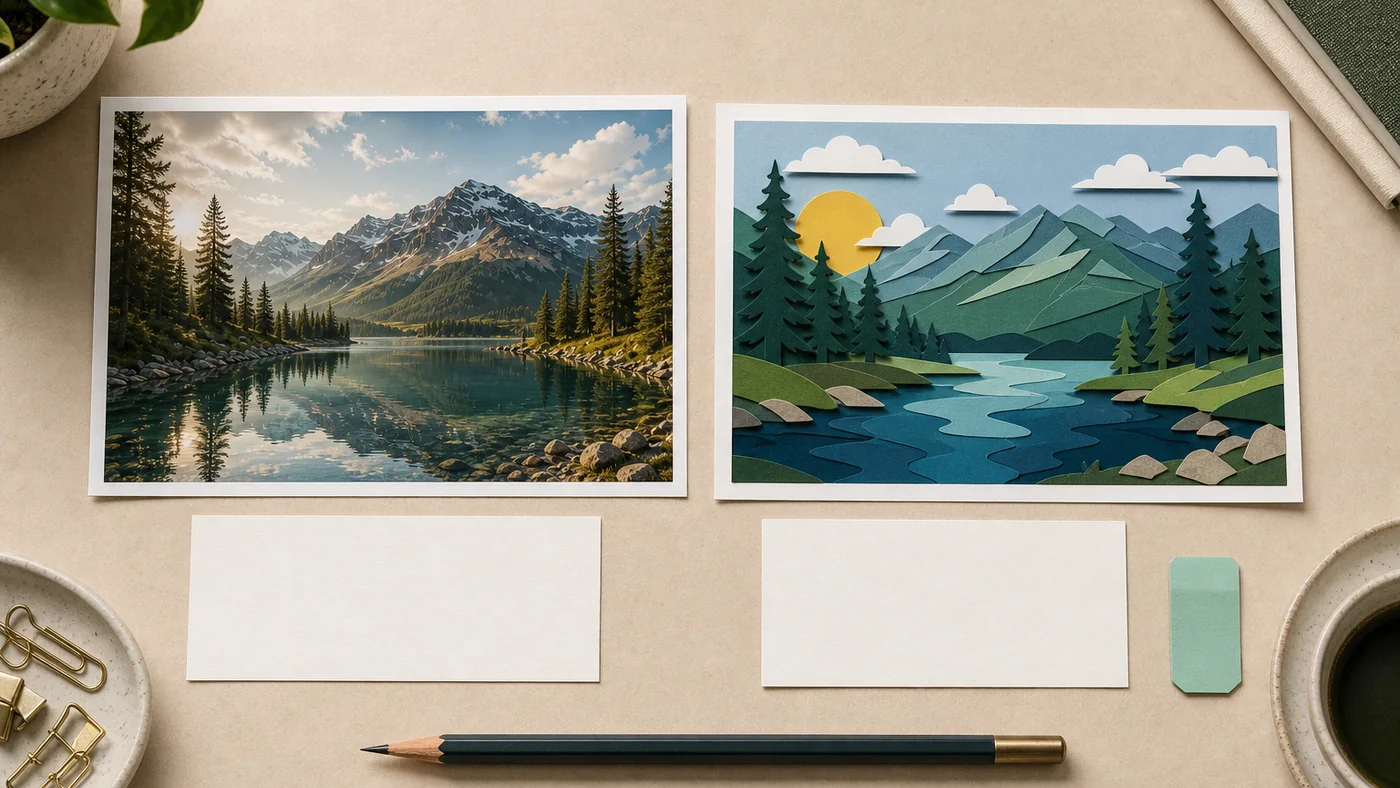
Begin with the likely interpretation
Responsible visual creation starts with a simple question: what might a reasonable viewer believe after seeing this image? The answer depends on realism, context, captioning, audience, and where the image appears.
An abstract editorial illustration is usually read differently from a photorealistic scene presented beside news copy. The same generation technology can support both; the publishing responsibility is not the same.
Avoid harmful or deceptive requests
Do not use image generation to create sexual content involving minors, non-consensual explicit imagery, fraudulent documents, deceptive endorsements, or manipulated media intended to mislead people about public events. Respect the rights, safety, and dignity of depicted people.
Prompt screening is only one layer. The creator still needs to review the output and the intended use.
Distinguish illustration from evidence
Synthetic visuals can be useful for explaining an idea, exploring an art direction, or depicting a scene that is clearly hypothetical. They should not be presented as proof of an event, product outcome, customer experience, or scientific result that did not occur.
Use captions such as “AI-generated concept illustration” when that context helps prevent a false conclusion. Avoid language that suggests documentary capture.
Choose disclosure that people can understand
A disclosure works only if viewers can notice and interpret it. Place it near the image or in the immediately associated caption. Use straightforward words rather than internal production jargon.
Possible language includes:
- “AI-generated illustration.”
- “Concept image created with generative AI.”
- “Synthetic visualization; not a photograph of an actual event.”
The appropriate wording depends on the use. Platform, industry, and regional requirements may specify additional labels.
Review representation and bias
Models can reproduce stereotypes from training data or common visual conventions. Review who appears in professional, domestic, technical, or vulnerable roles. Check whether prompts specify identity only when it is relevant and whether the selected result treats people with appropriate context.
Invite review from people who understand the audience and subject matter. A technically clean image can still communicate a harmful assumption.
Keep private generations private
Avoid entering confidential client details, personal data, unreleased product information, or sensitive images into a generation service unless your organization has approved that workflow and the provider terms support it.
VisualMint does not publish a public user gallery. Generation tasks are associated with a private browser session and temporary server records, but users should still avoid submitting sensitive content. See our Privacy Policy for the current data flow.
Build accountability into the workflow
Name the person responsible for final approval. Record the prompt, model/provider, major edits, rights checks, and disclosure choice. Provide a way to correct or remove published material.
These steps do not remove all risk, but they turn responsible use into a repeatable practice rather than a last-minute judgment.
Use the same standards as other media
Generative tools change production speed, not the obligation to be accurate, lawful, and respectful. Apply the same editorial, brand, accessibility, and legal standards you would use for commissioned illustration or photography—plus the additional review synthetic media requires.
For a detailed release process, continue with Reviewing AI Images Before Commercial Use.
More from the journal
View all articles →
Prompting
Writing Better Prompts for Grok Imagine
A practical framework for describing subject, setting, light, composition, and mood without burying the idea.
Read article
Composition
Choosing the Right AI Image Aspect Ratio
Match the canvas to the story, platform, and composition before you generate.
Read article
Technique
Lighting and Composition Terms for AI Prompts
A plain-English field guide to the visual terms that make prompts more precise.
Read article